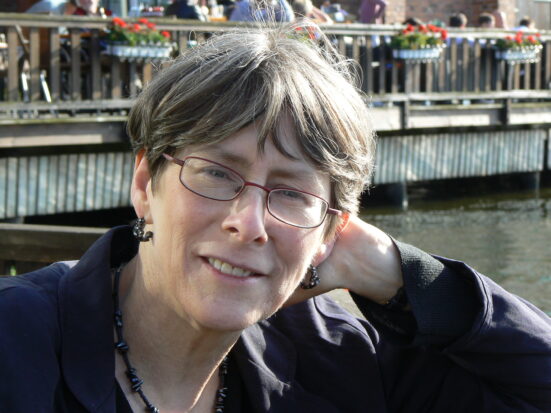
It is just a year now since I was interviewed to be a member of the Social Security Advisory Committee (SSAC). This means that I have now been working as a committee member for some six months or so - taking part in meetings to scrutinise draft social security regulations and participating in discussions relating to SSAC’s strategy, including our independent work programme and ways of working.
This was not by any means my first interaction with SSAC. Because of my background - both as deputy director and then director of the Child Poverty Action Group over a decade, and since then as a part-time academic and part-time freelance researcher and policy analyst - I had often attended stakeholder meetings convened by SSAC and always been aware of its key role and positive influence.
It is crucial to ensure, whatever one’s view of a particular policy under consideration by the government, that this consideration is careful and thorough, and undertaken with a full understanding and awareness of the issues at stake, particularly for marginalised and disadvantaged groups. This is what SSAC endeavours to ensure. I wonder whether other parts of government are served as well as the Department for Work and Pensions is by having SSAC perform this key role.
Working with Committee members who have such a wide range of experience and expertise is a real pleasure and I have also found the induction of new members exemplary. I am endeavouring to become accustomed to having more of an ‘insider’ role, having for much of my working life been ‘outside’. But SSAC is adamant that retaining its independence from government, Parliament and other stakeholders, whilst still working closely and constructively with government and others, is essential. Committee members bring much rich and diverse knowledge and insight from their external roles; but it is important to keep the two roles separate, taking care to be very clear when we are acting in a SSAC capacity and when we are not. My practice with regard to avoiding any conflicts of interest is to be as transparent as possible about my activities outside my SSAC membership and to ask advice about this when appropriate. And so far I have found that this works!
It is an interesting time to have been appointed to SSAC. We are living in an ageing society and there are other pressures on the social security budget following the pandemic as well. Developments in the labour market and the family may result in a benefits system that is not always well adjusted to the flexible nature of work and the more fluid families of today. One focus of SSAC’s recent work which I have found particularly rewarding as a new member is its detailed attention to the quality of equality impact assessments carried out in relation to the scrutiny of draft regulations.
Some of my previous experience has included working closely with a community advice centre for some two decades, as well as being involved on a long-term basis with organisations which see lived experience of poverty and/or benefits as being at the centre of their work. I look forward very much to continuing to work with my committed colleagues by contributing to evidence-based and impartial advice informed by a wide range of perspectives - including those of the people who deliver, or who are directly affected by, the social security system - to Ministers.
1 comment
Comment by Imran Hussain posted on
Fantastic to have someone with your expertise on SSAC